
What Are Cool Roof Ratings?
Cool roof ratings help residents understand how much sunlight a roofing material reflects and how little heat it absorbs. These ratings are based on a system that evaluates roofing products for their ability to keep homes cooler and energy bills lower in warm months.
In Walton, NY—a region with warm summers and cold winters—cool roof ratings can inform choices for roofing materials, especially for homes or buildings with good sun exposure. Many people think cool roofs are only useful in very hot climates, but even in areas with mild to moderately warm summers, they can help reduce indoor temperatures and slow down roof aging caused by thermal cycling.
Why Do Cool Roofs Matter in Walton, NY?
Cool roofs can make a noticeable difference during the summer. The benefit is especially felt on upper floors and in attics that otherwise trap the sun’s heat. In communities like Walton where summer highs often reach the upper 70s or 80s, even small reductions in attic heat can lower cooling costs, reduce stress on air conditioning, and improve indoor comfort.
A common misconception is that reflective roofing will harm heating efficiency in winter. For most homes in the city with decent insulation, the heat lost through a reflective (cool) roof is much less than the heat gained through dark, heat-trapping roofs in the summer. The net benefit usually favors cool roof products, especially on homes that see direct sun for much of the day.
How Are Cool Roof Ratings Measured?
Cool roof performance is usually measured by two key values:
- Solar Reflectance: This measures how much sunlight the roof reflects, on a scale from 0 (absorbs all sunlight) to 1 (reflects all sunlight).
- Thermal Emittance: This indicates how efficiently a material emits the sun’s absorbed heat, again rated from 0 (keeps all absorbed heat) to 1 (releases it all).
Both values are measured under standardized laboratory conditions and appear on product labels or technical sheets. Certain organizations, such as the Cool Roof Rating Council (CRRC), maintain databases of certified products. Reflective coatings, metal roofing, and specific types of shingles often display these values for comparison.
Practical Example: What Ratings Should Walton Residents Look For?
Most people in the city will want to focus on products with high solar reflectance and high thermal emittance. On typical homes with sloped roofs, look for:
- Solar Reflectance of 0.25 or greater (initial value) for asphalt shingles
- Solar Reflectance of 0.65 or greater for flat or low-slope roofs (such as those on garages, porches, or small apartment buildings)
- Thermal Emittance of 0.75 or higher for all roof types
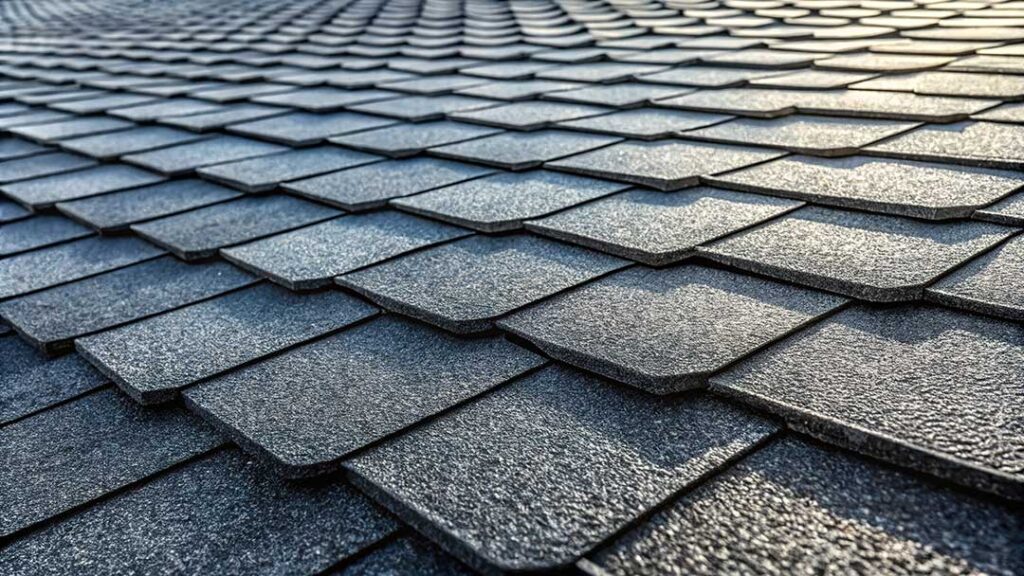
While some types of roofing—such as traditional dark asphalt—have low reflectance ratings, newer "cool" shingles and certain metal options are designed to be much more reflective without compromising on aesthetics.
Local building codes in Walton, NY do not currently require cool roofs for residential structures. Still, considering higher ratings is encouraged for upper-level comfort and possible future energy efficiency programs.
Does Roof Color and Material Always Matter?
Color and material both play critical roles, but ratings are a more reliable guide than appearance alone.
- Very light colors (white, light gray, cream) typically reflect more sunlight than dark colors (black, dark brown).
- Some darker materials are now engineered with special coatings to increase reflectance—these may be good options for residents wanting to maintain a particular look while gaining some cooling benefit.
Materials like “cool” metal roofs, coated membranes, or composite shingles with reflectance pigments are commonly available. It’s important to check the product’s actual ratings, not just rely on color.
Are There Downsides or Misconceptions About Cool Roofs?
Some households worry that a cool roof may cause higher heating costs in the winter or may not stand up to the kinds of weather seen in Walton, such as snow, ice, or freeze-thaw cycles. In fact:
- The effect on winter energy use is usually very small compared to the summer cooling benefits.
- Modern cool roofing products are made for four-season climates and can withstand heavy snowfall and freeze-thaw patterns when properly installed.
- Longevity and ice damming concerns are more closely tied to overall roof installation and attic insulation than to reflectance ratings.
How Do Local Climate and Home Features Affect the Choice?
Not every home will benefit equally from a cool roof. Key factors to consider:
- Sun Exposure: Roofs shaded by trees or neighboring buildings throughout the day will see less benefit from higher reflectance.
- Attic Insulation: Well-insulated attics help keep both heat and cool air where they belong. Inadequate insulation may reduce the energy savings of a cool roof.
- Building Use: Multi-story homes or those with rarely used attics may notice less benefit than single-story ranch homes or buildings where upper floors get hot in summer.
Residents planning major roof work after a storm or in anticipation of energy-saving improvements should weigh cool roof ratings alongside other priorities such as durability, warranty, and snow-shedding characteristics.
Where Can Residents Find Accurate Cool Roof Ratings?
Always check for ratings certified by recognized organizations, such as:
- The Cool Roof Rating Council (CRRC): Maintains a searchable database of rated materials.
- ENERGY STAR: Some cool roofing materials carry this label, which means they meet minimum reflectance and emittance standards.
Local builders’ supply stores or roofing specialists may have technical sheets handy—a quick scan for the solar reflectance and thermal emittance ratings mentioned above offers an apples-to-apples comparison across different manufacturers and materials.
Residents can also learn more through cooperative extension offices or the New York State Energy Research and Development Authority (NYSERDA), which occasionally publishes guides and case studies helpful for local home improvement planning.
