
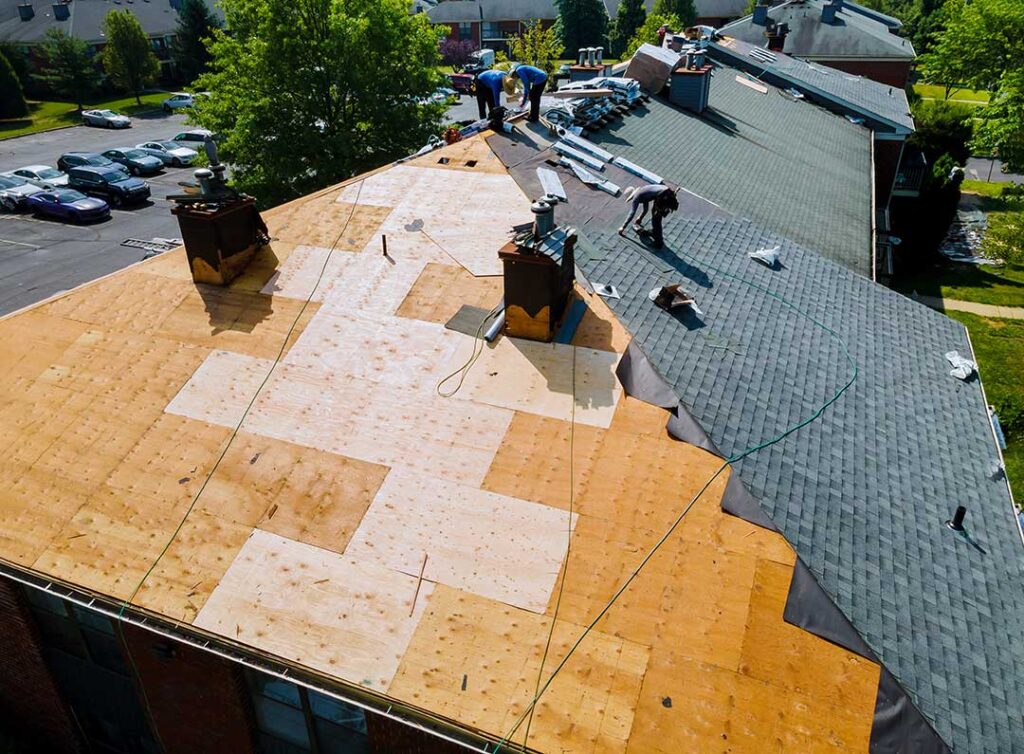
What Should Walton, NY Residents Do First in a Roof Emergency?
The first step after discovering roof damage is to ensure personal safety and prevent further property loss. In severe weather, avoid going onto the roof. Stay inside if conditions are dangerous, and wait until the immediate threat passes to assess the situation.
Once safe, document visible damage from the ground or upper-floor windows with photographs or videos. This helps with future claims or repairs and avoids unnecessary risk.
How Can You Minimize Water Intrusion After Sudden Roof Damage?
Limiting water entry can prevent more serious interior damage. While full roof repairs may require skilled labor, homeowners can take temporary action:
- Place buckets or large containers under any ceiling leaks.
- Use towels to absorb water pooling on floors.
- Move valuables and electronics out of affected areas.
- If safe and accessible, stretch a waterproof tarp over compromised sections of the roof. Pull the tarp a few feet past the damage (if possible) and weigh down edges with heavy objects, being careful not to add stress to weak areas.
Temporary tarping is especially helpful following sudden snow melt, heavy rain, or wind events common during late winter and spring in the region.
What Common Mistakes Should Be Avoided During Emergency Repairs?
Rushing to the roof without assessing conditions leads to injuries every year. Avoid these mistakes:
- Climbing on icy, wet, or unstable surfaces—falls are a leading cause of injury.
- Using makeshift ladders or old wooden ladders, especially when ground is soft from rain or snowmelt.
- Attempting repairs alone if visibility, weather, or darkness present risks.
- Applying caulk or sealant directly to soaked materials—these patches rarely hold and may worsen leaks.
When quick action is needed, prioritize containment (tarping, buckets, moving items) rather than risky “fixes” that can lead to injury or greater damage.
When Is It Necessary to Involve Local Authorities or Utility Services?
Certain roof emergencies demand more than temporary repairs. Residents should call emergency services if:
- Power lines have come down onto the house or roof after a windstorm.
- There is visible fire, arcing, or smoking from attic or roof areas.
- Structural damage is suspected, such as sagging rooflines or interior ceilings buckling under water weight.
Local fire or utility services can help secure the area and minimize electrical or fire risk. While these are rare scenarios, prompt action protects lives.
Are Emergency Repairs Different for Older Homes in Walton?
Many homes in the community have aging roofs, historic architecture, or unique construction. With older buildings:
- Roof decking may be less stable—avoid heavy foot traffic.
- Slate or metal roofing can be extremely slippery and hard to patch temporarily.
- Fastening a tarp may require extra care to prevent more shingles or tiles from breaking.
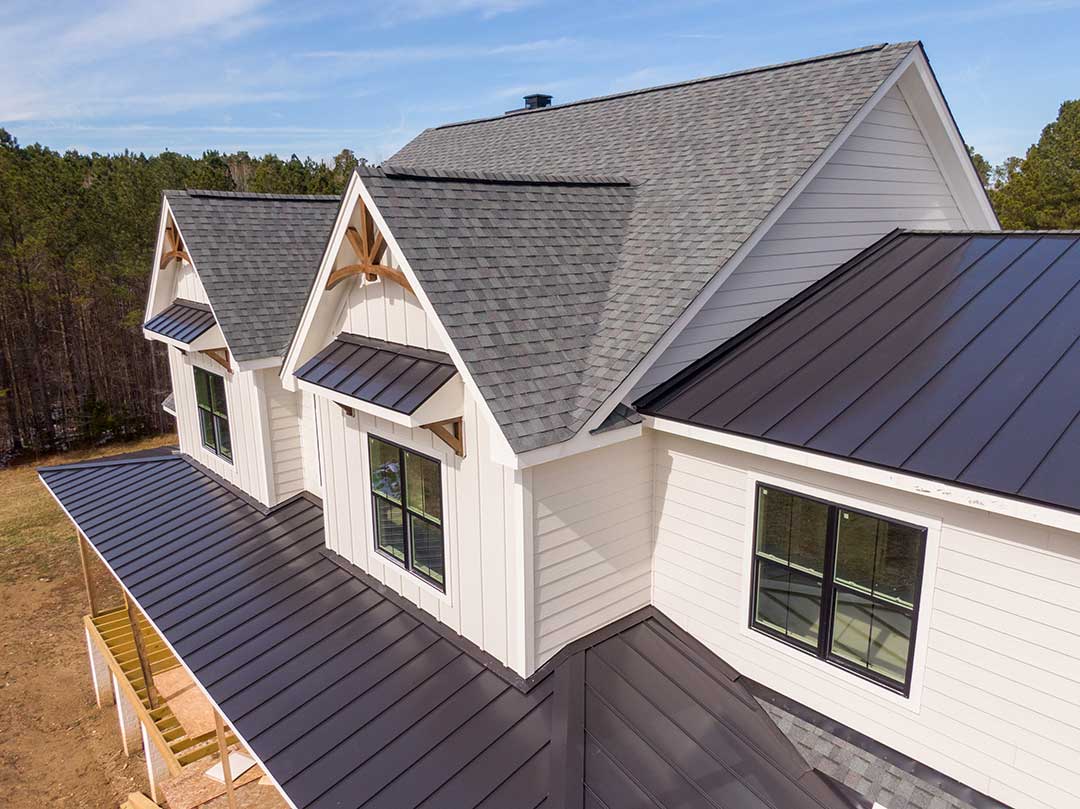
Preserving original materials (such as wooden trim, tin, or handmade shingles) is a concern, so temporary repairs should be reversible when possible. Photograph all conditions and temporary fixes applied.
What are Seasonal Concerns for Emergency Roof Repairs in the Region?
Weather patterns impact how and when emergency repairs can be safely made. Cold winters, heavy snow, and spring windstorms challenge area households:
- Snow and ice buildup block roof access and can hide leak sources.
- Spring storms may loosen flashing and shingles, causing sudden leaks.
- Backup from ice dams can lead to slow, hidden leaks that appear as water stains inside.
Temporary tarping may be the only option until weather improves. In summer, heat can make work on dark roofs physically hazardous—take frequent breaks, wear non-slip shoes, and work during cooler hours wherever possible.
What Materials Are Useful for Temporary Roof Repair at Home?
Basic supplies can make a difference when immediate, safe access is possible. A simple emergency repair kit might include:
- Heavy-duty waterproof tarps (preferably UV-resistant)
- Roof-safe tape (designed for exterior use)
- Rope or bungee cords to secure coverings
- Work gloves, safety glasses, and a sturdy ladder with non-slip feet
Store these items in an accessible spot. Avoid home improvement products that are not rated for exterior or wet conditions—they may cause more harm than good.
Should Homeowners Attempt to Patch Major Roof Structural Damage?
Major storm damage, such as a collapsed section of roof or structural sagging, should not be handled without professional equipment and experience. Structural issues can worsen suddenly, leading to collapse or falls. In these situations, limit activity to preventing further water entry from inside the house, and wait for safe conditions and qualified inspection before doing more.
