
Why preventive roof maintenance matters
Preventive roof maintenance helps identify small defects before they become water damage, structural deterioration, or an emergency repair. For homeowners in Walton, NY, regular attention is especially useful because roofs must handle changing seasons, winter moisture, wind, ice, fallen leaves, and repeated freeze-thaw cycles.
A roof rarely fails all at once. More often, problems develop gradually:
- A flashing seam begins to separate.
- A shingle loses its protective surface.
- Water backs up behind leaves or ice.
- A small attic leak dampens insulation.
- Moss or debris holds moisture against roofing materials.
These conditions may not be visible from inside the home until staining, peeling paint, musty odors, or damaged ceilings appear. By that point, the original roof problem may have affected several building materials.
Preventive maintenance is not the same as replacing a roof early. It means observing the roof’s condition, correcting manageable issues, and keeping drainage and ventilation working as intended.
What does preventive roof maintenance include?
Preventive maintenance combines visual inspections, basic cleaning, minor repairs, and monitoring over time. The exact needs depend on the roof’s age, material, slope, surrounding trees, attic ventilation, and exposure to wind and snow.
A useful maintenance review may include:
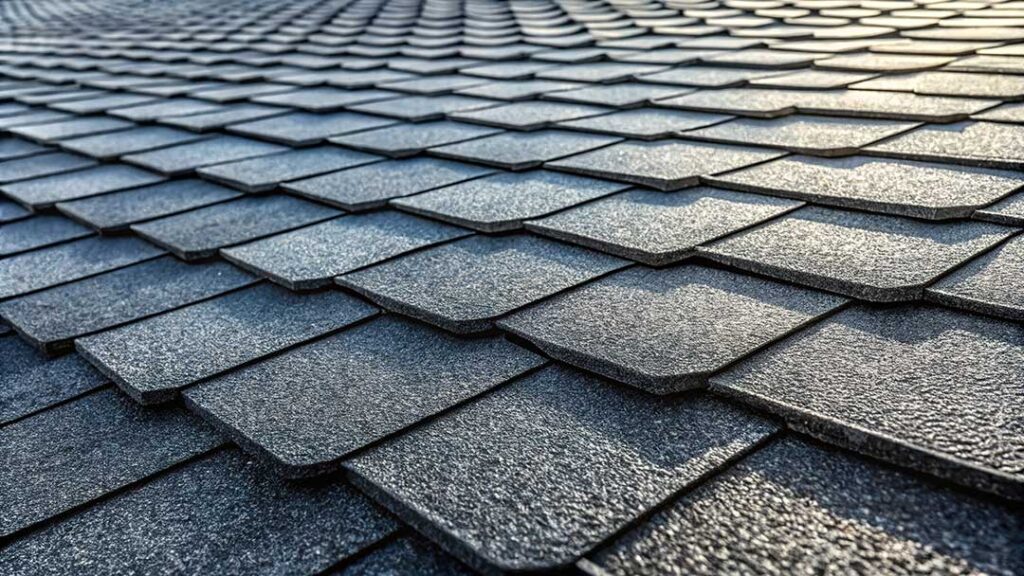
- Looking for missing, cracked, curled, or heavily worn shingles
- Checking metal flashing around chimneys, vents, skylights, and roof edges
- Clearing leaves, branches, and other debris from areas where water collects
- Inspecting gutters and downspouts for blockages or separation
- Looking for loose or exposed fasteners
- Checking attic spaces for damp insulation, water marks, daylight, or mold-like odors
- Observing whether roof surfaces remain wet longer than expected
- Examining areas beneath roof valleys, where several drainage paths meet
The goal is not to make a roof look new. The goal is to maintain its ability to shed water and protect the home’s structure.
How often should a roof be checked?
Most homes benefit from a basic roof review twice a year: once after winter and again before the coldest, wettest part of the year. Additional checks are sensible after unusually strong wind, heavy snowfall, falling branches, or prolonged ice buildup.
A seasonal schedule can be simple:
Spring: Look for winter damage, displaced materials, clogged drainage, and damp attic insulation.
Summer: Check for exposed roofing surfaces, deteriorated sealants, and areas where heat may have accelerated material wear.
Autumn: Remove accumulated leaves and confirm that gutters and downspouts can handle rain before freezing temperatures arrive.
After severe weather: Look for visible changes from the ground, such as missing shingles, hanging metal, or debris on the roof.
Homeowners should not climb onto a steep, wet, icy, or unstable roof. Ground-level observations and an attic check can reveal useful information without creating a fall hazard.
How does maintenance reduce long-term costs?
Maintenance reduces costs mainly by limiting the spread of water and preventing secondary damage. A small repair may involve one localized defect. An ignored leak can affect underlayment, roof decking, insulation, rafters, wall finishes, and electrical components.
For example, a damaged flashing area around a roof penetration may allow water to enter only during wind-driven rain. The ceiling may remain dry for a long time because the water travels along framing before appearing indoors. If the issue is found early, correcting the entry point may be relatively limited. If it continues through several wet seasons, the repair may involve removing damaged interior and structural materials.
Preventive care can also extend the useful service life of a roof by reducing avoidable stress. Clear drainage helps prevent standing water. Proper attic ventilation helps manage moisture and temperature differences. Promptly replacing a missing shingle reduces the chance that wind will loosen adjacent materials.
Maintenance does not stop normal aging, but it can help a roof reach the expected portion of its service life.
Can roof maintenance prevent ice dams?
Maintenance can reduce some conditions associated with ice dams, but it cannot guarantee that ice dams will never form. Ice dams are influenced by snow accumulation, roof temperature, attic insulation, air leakage, ventilation, sunlight, and weather patterns.
A well-maintained roof still may experience ice buildup during certain winters. However, several preventive measures can reduce risk:
- Keep gutters and roof drainage paths clear before freezing weather.
- Address attic air leaks that allow warm household air to reach the roof underside.
- Maintain adequate insulation and ventilation according to the home’s design.
- Watch for recurring ice buildup in the same roof areas.
- Avoid chipping ice with tools that can damage shingles or membranes.
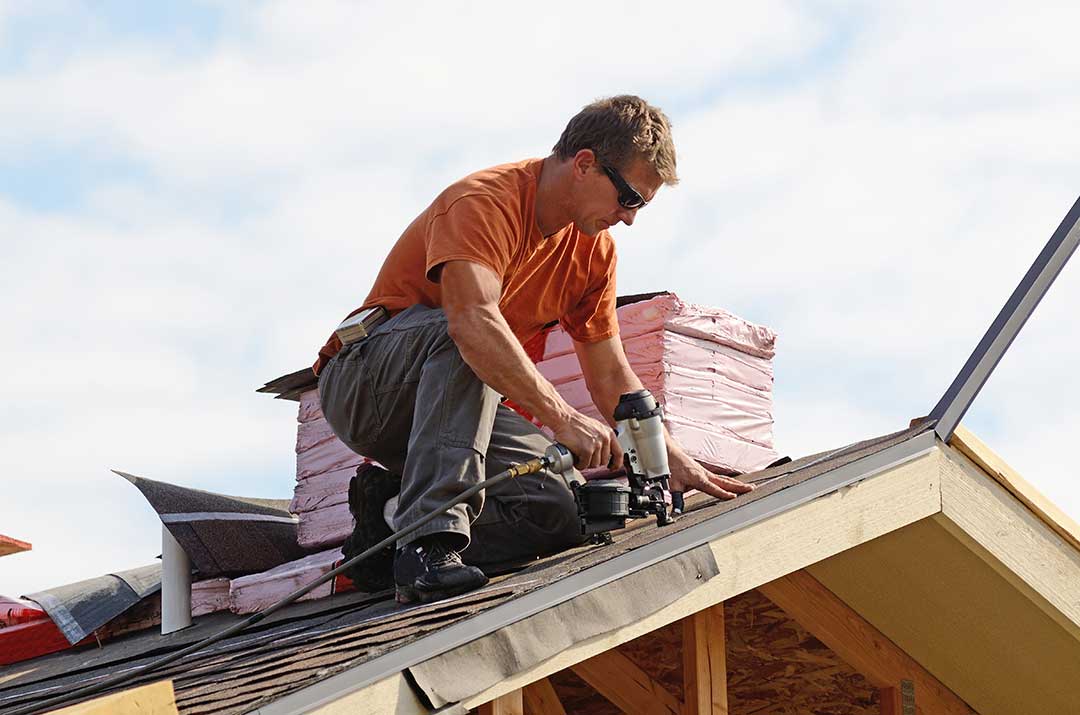
If water is entering during an ice event, removing visible snow or ice from a roof can be dangerous. The safest response depends on the roof design and conditions, and hazardous work should not be attempted by an untrained person.
What signs suggest that a roof needs attention?
Some warning signs are easy to spot, while others appear indoors. A roof may need closer evaluation if there are:
- Water stains on ceilings or upper walls
- Damp or compressed attic insulation
- Peeling paint near roof edges
- Granules collecting in gutters
- Shingles that are brittle, curled, cracked, or missing
- Rusted, lifted, or separated flashing
- Sagging roof lines or localized depressions
- Persistent musty smells in the attic
- Repeated leaks in one area after repairs
- Daylight visible through the roof deck
A single sign does not always indicate that the entire roof needs replacement. It does indicate that the cause should be understood before damage spreads.
How do trees and surrounding property affect roof life?
Trees can provide shade and protect a home from summer heat, but branches, leaves, and needles can also affect roof performance. Overhanging limbs may scrape roofing materials during wind. Leaf buildup can hold moisture in valleys and behind roof features. Branches can also fall during storms or under the weight of wet snow.
Regularly observing nearby trees is part of sensible roof care. Limbs that touch the roof, block drainage, or appear dead may create a higher risk during severe weather. Tree work can involve falling limbs and power lines, so it should not be treated as a casual do-it-yourself task.
Roof maintenance also includes noticing changes around the home. New additions, solar equipment, satellite hardware, exterior renovations, or altered attic ventilation can create new roof penetrations or change how water moves across a roof.
Is preventive maintenance worthwhile on an older roof?
Yes, although maintenance cannot reverse age-related deterioration. On an older roof, preventive inspections can help distinguish between isolated repairs and broader material failure.
If shingles are generally sound but a few areas are damaged, targeted repairs may help maintain performance. If the roof has widespread brittleness, recurring leaks, significant sagging, or deteriorated flashing throughout, maintenance may only provide temporary control. Understanding that distinction helps homeowners plan rather than wait for an emergency.
Keeping dated notes and photographs can be useful. Records of repairs, leaks, storm damage, and recurring trouble spots make it easier to compare conditions from one season to the next.
What is the practical value for local homeowners?
For households in Walton, regular roof care provides more than immediate leak prevention. It supports better planning, protects insulation and interior finishes, reduces avoidable disruption, and helps reveal building problems before they become expensive or hazardous.
The most valuable habit is consistency: observe the roof seasonally, keep drainage paths clear, check the attic when conditions suggest a problem, and treat small changes as information rather than waiting for visible interior damage. Preventive maintenance works because it turns roof care from an emergency response into an ongoing part of responsible home ownership.
