
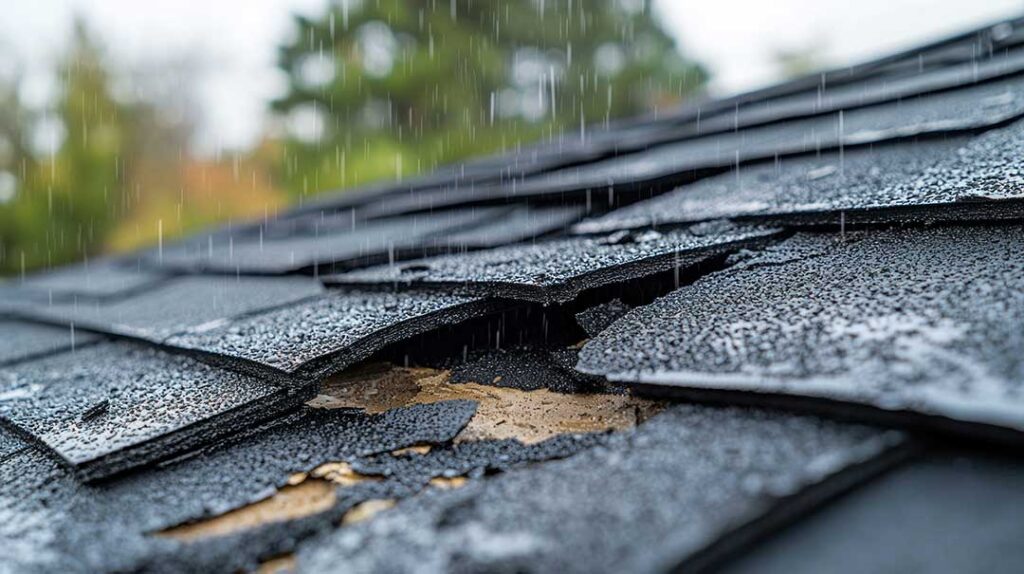
Roof work can look simple from the ground, but climbing onto a roof involves serious fall, weather, electrical, and structural hazards. For homeowners in Walton, NY, safe rooftop care begins with knowing when a task can be handled from the ground, when conditions are unsuitable, and when a roof should not be accessed at all.
Is it safe for a homeowner to climb onto the roof?
A homeowner should only consider roof access when the surface is dry, stable, gently sloped, and reachable with properly positioned equipment. Even then, staying on the ground is usually safer for inspections and minor maintenance.
Avoid roof access when:
- Shingles, metal panels, or decking are wet, icy, frosted, or covered with moss
- Wind makes ladder movement or balance difficult
- Snow or freezing rain is present
- The roof is steep, damaged, soft, or visibly sagging
- The work area is near overhead electrical lines
- The person climbing is uncomfortable with heights or lacks suitable fall protection
- Lighting is poor, including early morning, dusk, or nighttime conditions
Walton households may face changing conditions throughout the year, including snow, freeze-thaw cycles, heavy rain, and strong winds. A roof that felt secure during dry summer weather can become slippery or unstable after a cold night, storm, or thaw.
How should a homeowner inspect a roof safely?
The safest roof inspection often begins from the ground. Use binoculars to look for missing or displaced shingles, lifted flashing, damaged vents, sagging rooflines, clogged gutters, and piles of granules near downspouts. Check the attic from inside the home for damp insulation, water stains, daylight through the roof deck, or musty odors.
If a closer view is necessary, a ladder may provide access to the edge without requiring a person to walk across the roof. The ladder should be placed on firm, level ground and extend above the landing area enough to provide a secure handhold. Keep the ladder away from doors, icy patches, soft soil, and overhead wires.
Before climbing, check that:
- The ladder rails and rungs are clean and undamaged
- The feet are resting evenly on stable ground
- The ladder is positioned at a safe angle
- Three points of contact can be maintained while climbing
- Tools can be carried in a belt or raised separately rather than held in both hands
- Another adult is nearby if an accident occurs
A ladder is not a substitute for fall protection on a roof. It only provides a means of access and does not prevent a fall after a person steps onto the roof surface.
What should homeowners know about ladders?
Many ladder accidents happen before a person reaches the roof. Do not place a ladder on top of boxes, buckets, snow, or other objects to gain extra height. Never move or reposition a ladder while standing on it.
Maintain three points of contact whenever possible: two hands and one foot, or two feet and one hand. Face the ladder while climbing, and avoid leaning sideways. If the task requires stretching, twisting, or using force, climb down and reposition the ladder instead.
A ladder should not be used near power lines, even if the lines appear insulated. Metal ladders conduct electricity, but wooden and fiberglass ladders can also become dangerous if they touch energized equipment or are moved into its path.
Can a roof be walked on after a storm?
A storm-damaged roof should not be walked on unless access is clearly safe and necessary. High winds can loosen shingles, flashing, vents, and branches. Hail may create weak spots that are not visible from the ground, while heavy rain can conceal soft decking or active leaks.
After severe weather, inspect from the ground first. Look for:
- Shingles or roofing materials in the yard
- Exposed underlayment or dark openings
- Bent or detached flashing
- New ceiling stains or dripping water
- Tree limbs resting on the roof
- Gutters pulled away from the fascia
- Debris blocking drainage areas
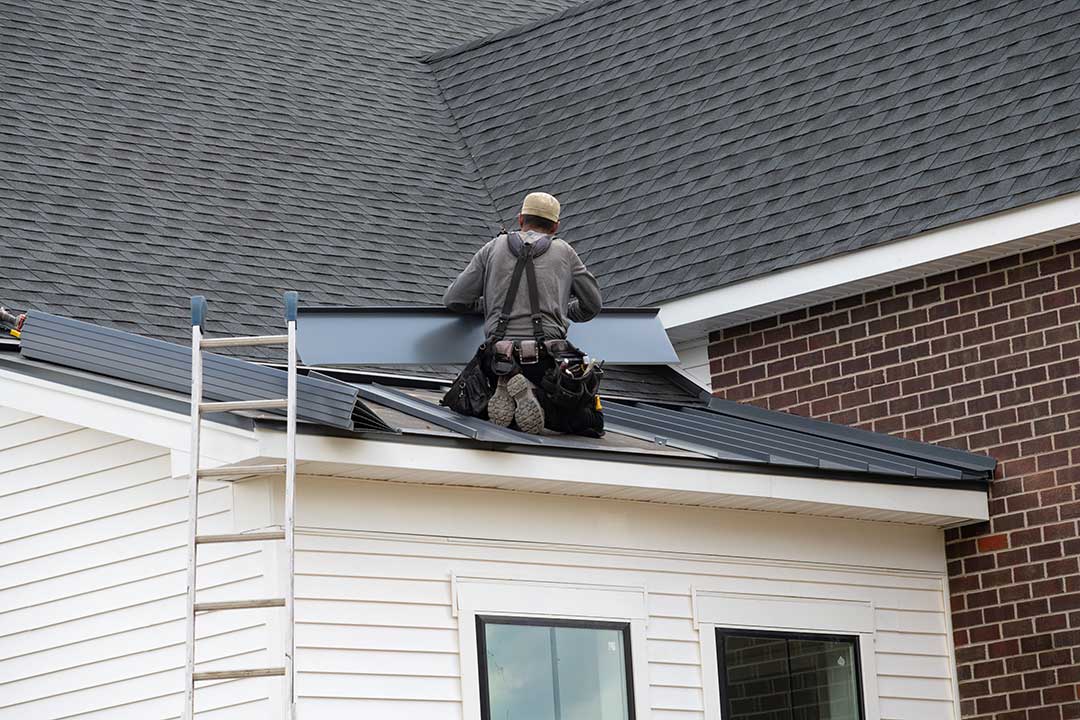
A roof with sagging sections, large punctures, exposed structural wood, or a fallen tree should be treated as hazardous. Stay clear of the damaged area and keep children and pets away from debris.
What footwear and clothing are safest?
Footwear should have clean, slip-resistant soles and fit securely. Soft-soled shoes may provide better traction than hard, smooth soles, but no footwear makes an icy or steep roof safe. Do not wear loose clothing, dangling straps, or anything that can catch on ladder parts or roof fixtures.
Gloves can improve grip when handling ladders or rough materials, but they should not interfere with secure hand placement. Eye protection is useful when clearing debris, trimming branches, or working near brittle roofing materials.
Avoid carrying bulky objects while climbing. Heavy or awkward items can shift a person’s balance and make it impossible to hold the ladder properly.
How can homeowners reduce fall hazards around the roof?
Many rooftop hazards can be addressed without climbing. Keep branches trimmed away from the roof where practical, remove debris from the ground after storms, and make sure gutters and downspouts discharge water away from walking areas. Wet pavement, icy steps, and muddy ground can create hazards even before a person reaches the ladder.
Do not walk on skylights, translucent roof panels, or areas covered by thin materials. These surfaces can look solid but may not support body weight. Roof edges, valleys, and areas around chimneys or vents may also have hidden weaknesses caused by moisture intrusion.
Children should never be allowed to play on ladders, porches, sheds, or lower roof sections. A low roof is still capable of causing serious injury.
When should a homeowner stop and seek qualified help?
Stop work immediately if the roof shifts, feels soft, becomes slippery, or requires reaching beyond a stable position. Assistance is also warranted when repairs involve steep slopes, structural damage, electrical hazards, chimney work, large trees, or significant ice and snow.
Some situations require prompt attention because delaying can increase damage. These include active interior leaks, a hole in the roof, exposed wiring, a collapsed section, or a tree that has struck the structure. Until the area is assessed, limit movement beneath the damaged section and use containers only to control minor interior dripping. Avoid standing under sagging ceilings.
Fall protection systems, roof anchors, harnesses, and specialty equipment must be selected and used correctly. Improvised ropes, unsecured boards, and makeshift anchors can create a false sense of security.
What should be done after snow or ice?
Snow and ice should not be removed by walking on the roof. Shoveling can damage shingles, membranes, flashing, and gutters, while falling snow can injure people below. Ice dams may also indicate heat loss, ventilation issues, or drainage problems that cannot be solved safely through aggressive scraping.
Keep people away from areas where snow may slide from eaves. Use caution around icicles, which can fall unexpectedly. If snow accumulation appears to be stressing the roof, such as visible sagging, cracking sounds, or doors and windows suddenly sticking, leave the area and treat the condition as urgent.
Safe roof care depends less on confidence than on conditions, equipment, and judgment. Ground-level observation, interior attic checks, careful ladder placement, and a willingness to stop when hazards appear can prevent many avoidable injuries.
